Custom Shopify store design, page by page.
Good store design is mostly about decisions: what goes first on a product page, how a collection is filtered, what a new visitor needs to see before they trust you. Here is how we approach each part of a custom Shopify store.

The pages that sell
Every store has a handful of templates that carry most of the traffic. These get the most design time.
Product pages
We start with the questions a buyer has about your product, then put the answers in the order they ask them. For skincare that might be ingredients and how to use it. For apparel it is fit, fabric and sizing. Photos, price, options and the add to cart button stay visible without hunting, especially on a phone.
Collection pages
A collection should help people narrow things down quickly. Depending on your catalog that means filters that match how customers think about your products, product cards that show the right detail, and short intro copy that also helps the page rank.
Home page
The home page introduces the brand and routes people to the right place. We plan it as a sequence: who you are, what to shop first, why to trust you, and where to go next. No carousel of five banners that nobody clicks past.
Cart and content pages
About, FAQ, shipping and returns, and contact pages are designed in the same system as the rest of the store, so the brand holds together after the first click. The cart is kept clear and quick, with nothing in the way of checkout.
Across the whole store
Details that apply to every page.
The templates above get the most design time, but a few principles run through the whole store.
Designed for the phone first
Most store traffic arrives on a phone, so we design the mobile layout first and let the desktop layout open up from there. That changes real decisions: how large the product photos are, where the price sits, how the menu groups your collections, and how many taps it takes to reach a product.
Your brand, carried through
A custom store uses your type, your color and your photography the way your packaging and print already do. If you have brand guidelines, we work from them. If you don't, we set up a small system for the site: fonts, colors, button styles and spacing, so every new page you add later still looks like it belongs.
Built so you can run it
Most stores are built semi-custom: we start from a solid existing Shopify theme and rework it wherever the design calls for something different. When a theme would only get in the way, we write one from scratch. Semi-custom or fully custom?
Either way, the store is built from sections. You can change copy, swap images, add a promotion or rearrange the home page in the theme editor without calling us. Where a page needs something the standard sections don't cover, we build a custom section for it. Some of those come from our own Abra Sections library.
Design deliverables
- Page designs for desktop and phone
- Home, collection, product and cart templates
- About, FAQ, shipping and contact pages
- Header, menu and footer layout
- A simple style system for future pages
- One review round per template before the build
Redesigns
Already selling on Shopify? Redesign without starting over.
A redesign keeps your products, customers, orders, reviews and apps exactly where they are. We design and build the new theme as an unpublished copy next to your live one, test it with your real catalog, and publish it when you approve it. Customers never see a half-finished store.
- We review the current store first and note what to keep
- Apps are checked so nothing breaks or gets duplicated
- Your URLs stay the same, so search rankings are not disturbed
Shopify work
See the kind of work we do
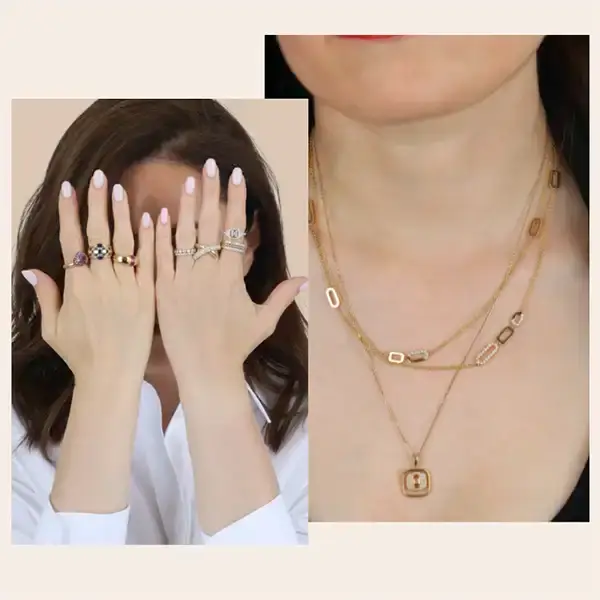
Shopify storefront for a family jeweler
See the project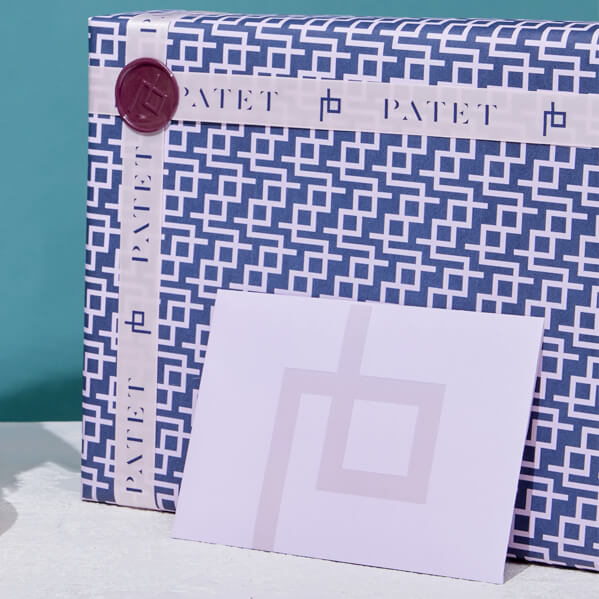
Online store selling customized gift boxes
See the project
Online store selling beauty products
See the project
Shopify site for skincare brand
See the projectThe Abra portfolio has Shopify stores alongside WordPress sites and custom apps. For a deeper look at our Shopify services, see Shopify experts at Abra.
Start with the page that matters most.
Tell us which part of your store isn't pulling its weight and we'll tell you how we would approach it.